Healthcare is rapidly evolving, with digital technologies enabling new ways to deliver treatment and care. Remote rehabilitation is becoming an increasingly important part of modern healthcare systems, particularly for patients recovering from neurological conditions such as stroke.
Traditional rehabilitation often requires patients to travel to clinics multiple times each week. For many stroke survivors, this can be physically demanding and logistically challenging. Remote rehabilitation offers an alternative approach that allows patients to continue their recovery journey from home.
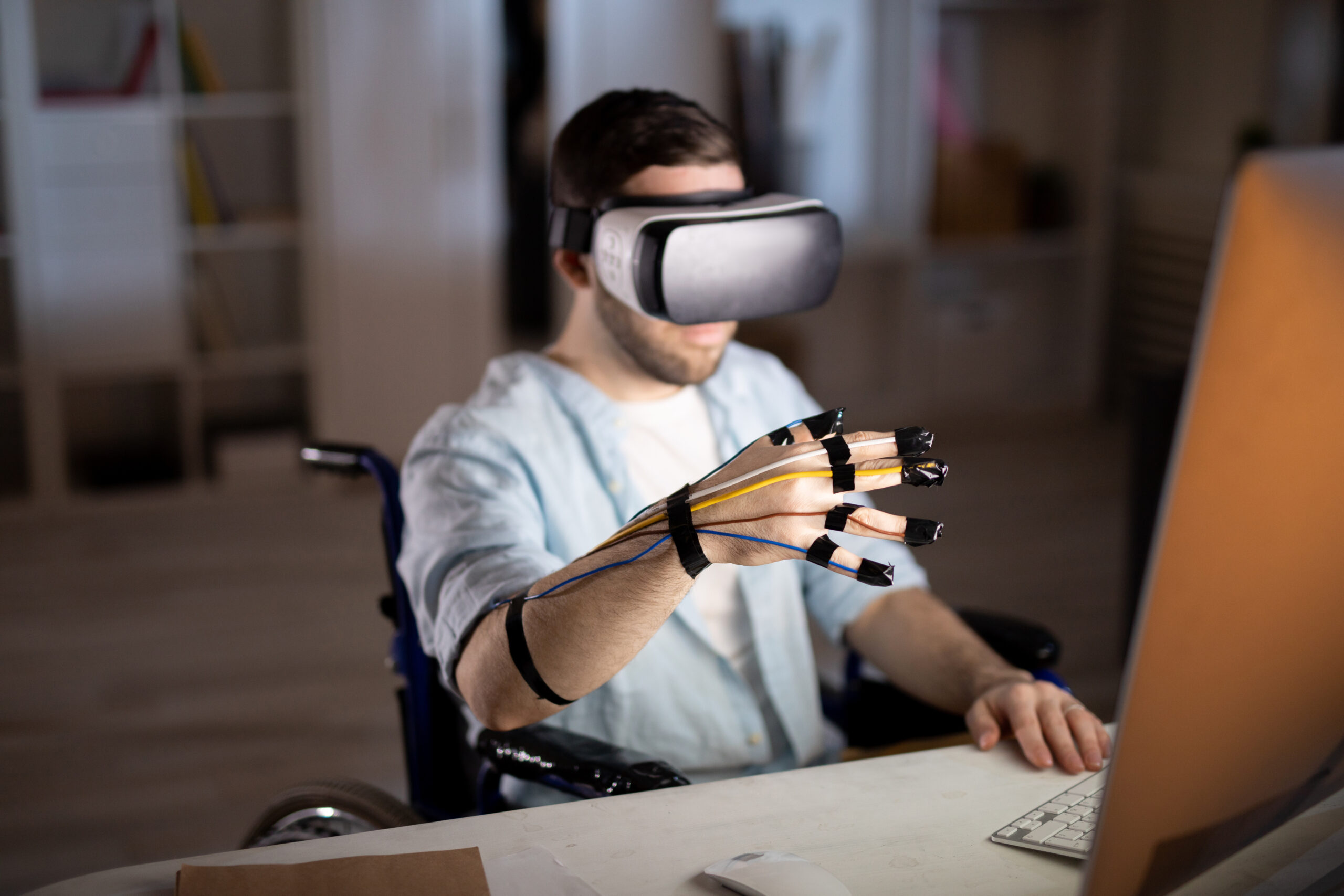
Myonerv combines wearable neurostimulation with remote therapy capabilities to create a more flexible rehabilitation experience. Patients can engage in therapy sessions while their progress is monitored through connected software. Therapists can review performance data, track improvements, and adjust treatment programs accordingly.
This model not only increases access to therapy but also allows physiotherapists to support more patients efficiently. By reducing geographic barriers, remote neurorehabilitation opens the door to improved healthcare accessibility for individuals living in remote or underserved areas.
The integration of wearable devices and telehealth platforms is expected to play a major role in the future of rehabilitation medicine. By leveraging these technologies, Myonerv aims to help create a more efficient, scalable, and patient-focused rehabilitation system.